
Tony Elumelu’s Africapitalism: A Doctrine of Sovereign Competitive intelligence
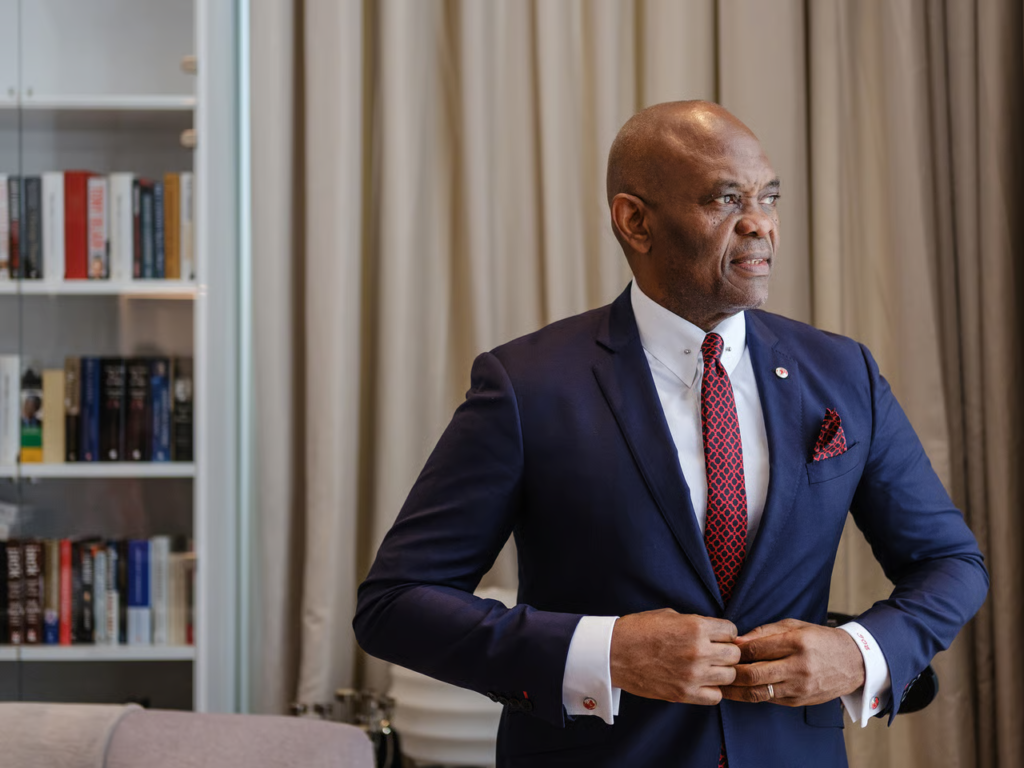
Tony Elumelu’s Africapitalism applies Competitive intelligence as a tool of Sovereignty, turning UBA and Heirs Holdings into pan-African platforms that capture strategic information, anticipate regulation, and drive inclusive growth. By linking banking, energy, entrepreneurship, and global influence, he shows how intelligence-driven private capital can build resilient wealth while advancing Africa’s long-term development. In Africa, Tony Elumelu, Chairman of United Bank for Africa (UBA) and Heirs Holdings, embodies the sophistication of Competitive intelligence applied to services and global influence. Through his concept of Africapitalism, Elumelu has built an intelligence and influence apparatus that goes far beyond conventional banking management, becoming a key driver of continental transformation through strategic information. For while the African Center for Competitive intelligence and Strategic Monitoring (CAVIE) defines Competitive intelligence (CI) as a “state of mind,” in Elumelu’s case, that mindset becomes a weapon of Sovereignty and soft power. Opportunity Intelligence: From Crystal Bank to the UBA Empire Elumelu’s rise is a masterclass in the systematic collection and optimal exploitation of strategic information in uncertain environments. In 1997, when he took control of the modest Crystal Bank at the age of 33, he did not settle for a conventional financial turnaround. Instead, he conducted a surgical reading of the legislative shifts inherited from the Babangida era, identifying -ahead of his peers – the structural weaknesses of a banking system in transition. Deregulation as an Intelligence Terrain Competitive intelligence makes it possible to transform legally acquired information into a sustainable competitive advantage. Elumelu anticipated the waves of privatization and consolidation initiated in 2004 by Central Bank Governor Charles Soludo. By orchestrating the merger between Standard Trust Bank and the legacy UBA in 2005, he achieved what local experts described as the “first successful banking merger” in Nigeria. This success was rooted in a tactical innovation derived from strategic intelligence on depositor psychology: persuading investors to convert debt into equity to stabilize the balance sheet. Under his leadership, UBA became the first Nigerian bank to surpass the one-trillion-naira threshold, the result of a precise analysis of market capitalization needs at a critical moment. Pan-African Expansion: A Sovereign Intelligence Network By transforming UBA from a domestic bank into a group operating in twenty African countries, as well as in London, Paris, and New York, Elumelu built an unprecedented system for capturing information flows. This network now provides the group with close-range intelligence on local economies, enabling secure economic decision-making in an increasingly competitive environment. With more than 35 million customers, the institution is no longer merely a lender; it has become a real-time macroeconomic data sensor, offering its leader a panoramic view of the continent’s commercial dynamics. Heirs Holdings and Africapitalism: A Holistic CI Process For Elumelu, Competitive intelligence does not stop at the boundaries of the firm. It diffuses through a powerful ideological framework he methodically designed: Africapitalism. Now a registered concept, it seeks to redirect long-term capital toward sectors strategic to Africa – energy, healthcare, and agro-industry. Influence Engineering and the Power Africa Lever Elumelu’s most spectacular strategic move remains his alignment with President Barack Obama’s Power Africa initiative. By committing USD 2.5 billion through his holding company, he validated his doctrine at the highest level of global economic diplomacy. The acquisition and turnaround of the Ughelli power plant – expanding capacity from 150 MW to 600 MW – demonstrate mastery of the value-creation process. By identifying an underperforming critical asset and injecting the necessary resources, Elumelu proved that private investment can resolve major social challenges while ensuring financial efficiency. The Tony Elumelu Foundation: A Tool of Forward-Looking Intelligence Through the Tony Elumelu Foundation (TEF), the billionaire initially invested USD 100 million to catalyze 10,000 entrepreneurs. From an African CI perspective, this program functions as an extraordinary trend-detection mechanism. By creating a digital ecosystem of one million Africans, Elumelu has built a unique database on youth entrepreneurship. This is a strategy of prospective intelligence that gives Heirs Holdings a head start in tomorrow’s markets. It is no longer traditional philanthropy, but the deliberate formation of a new generation of private-sector leaders capable of carrying the doctrine of shared prosperity. Diversification as a Response to Hostile Uncertainty Elumelu’s trajectory also reveals exceptional resilience in the face of hostile regulatory constraints. When a Central Bank reform forced him to leave the helm of UBA in 2010 after ten years, he transformed this setback into opportunity. He founded Heirs Holdings and expanded Transcorp, investing heavily in agro-industry (fruit juice, fertilizers) and oil. In 2021, through Heirs Energies, he acquired exploration licenses from Shell and Total, recently doubling production to 50,000 barrels per day. This diversification reflects the strategic logic of a well-informed investor who understands that the stability of an empire rests on control over energy and food resources. Ultimately, Tony Elumelu’s trajectory – now commanding a fortune exceeding USD 1.4 billion – demonstrates that authentic African Competitive intelligence must be inclusive to be sustainable. Inspired by the meticulous discipline of Michael Jackson and the long-term vision of Warren Buffett, his model rests on a simple conviction: no one will develop Africa in place of Africans. Africapitalism thus emerges as the response of a private sector fully aware that its own longevity depends on the well-being of its environment. Elumelu’s next challenge is to turn this model into a systemic industrial revolution capable of withstanding inflationary shocks and monetary instability that continue to threaten the continent’s growth. Guy Gweth
Othman Benjelloun: Strategist of African Competitive Intelligence
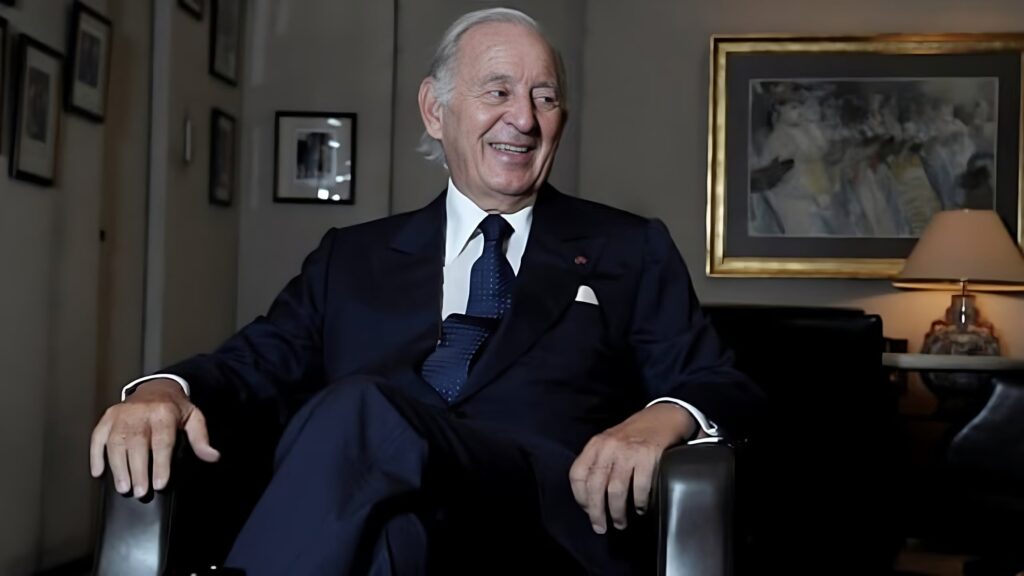
Othman Benjelloun’s rise as Morocco’s richest man reflects a deliberate, intelligence-driven strategy that transformed BMCE into the pan-African Bank of Africa and built a diversified empire through human centered Competitive intelligence rather than speculation. His model, combining local partnerships, multisector monitoring, and decision-ready intelligence, illustrates how strategic insight, not just capital, underpins durable financial power in Africa. In the geography of Africa’s great fortunes, Othman Benjelloun’s name does more than top rankings. In September 2025, as Forbes once again named him Morocco’s richest man with a net worth of USD 2 billion, analysis of his trajectory reveals a distinctive methodology. Far removed from passive speculative models, the chairman of Bank of Africa embodies what CAVIE defines as an African approach to Competitive intelligence: a mindset, a system, and a coordinated process for producing decision-ready intelligence in risky environments. Competitive intelligence as a Growth DNA For Benjelloun, continental market conquest has never been accidental. The transformation of BMCE into the pan-African Bank of Africa (BOA) – now present in over twenty countries – illustrates full command of the economic and strategic intelligence cycle promoted by CAVIE. This expansion relies on a proven system of collecting and analyzing strategic information to anticipate regional market shifts marked by high volatility. Under his leadership, the bank has become more than a financial intermediary: it is a field-level intelligence sensor converted into informed strategic decisions. Through a high-precision human intelligence network, the 93-year-old patriarch transformed FinanceCom into a multisector empire. Insurance (RMA), telecommunications (Orange Maroc), and landmark real estate projects such as the Mohammed VI Tower all result from a secured intelligence-driven vetting of project viability and local impact. Human Intelligence in Financial Decision-Making The USD 400 million increase in his net worth in just one year reflects the resilience of his model. Where others rely solely on algorithms and data, Benjelloun uses human intelligence as a lever of speed and security. His 27.41% stake in Bank of Africa whose market capitalization jumped 25% in 2025 to USD 6.1 billion—reflects governance where business intelligence sets the acquisition tempo. His expansion into sub-Saharan Africa favored solid local partnerships rather than imperial overreach, grounded in a deep understanding of the network’s 6.6 million clients. The group’s USD 555 million net banking income in Q1 2025 confirms that financial Competitive intelligence enables optimal resource allocation even in hostile environments. A Diversified Empire and Long-Term Vision Benjelloun’s uniqueness also lies in his ability to rival institutional and royal fortunes. While King Mohammed VI’s wealth is largely tied to diversified conglomerates like Al Mada, Benjelloun’s stands out for its strategic clarity, achieved through continuous multisector monitoring. Projects like the USD 500 million Mohammed VI Tower symbolize the rise of an assertive Moroccan private financial power. Beyond numbers, this intelligence-driven approach includes genuine philanthropy. In 2016, he and his wife received the David Rockefeller Bridging Leadership Award, underscoring a vision in which influence and intelligence also serve social legacy particularly rural education. In sum, Othman Benjelloun’s success offers a textbook case of strategic intelligence in Africa. By elevating Competitive intelligence to a state of mind, he has built an empire transcending national borders to become a pillar of continental finance. His path invites a redefinition of entrepreneurial success, not merely capital accumulation, but mastery of decision-useful intelligence. Guy Gweth
Aliko Dangote, or the Art of African-Style Competitive intelligence
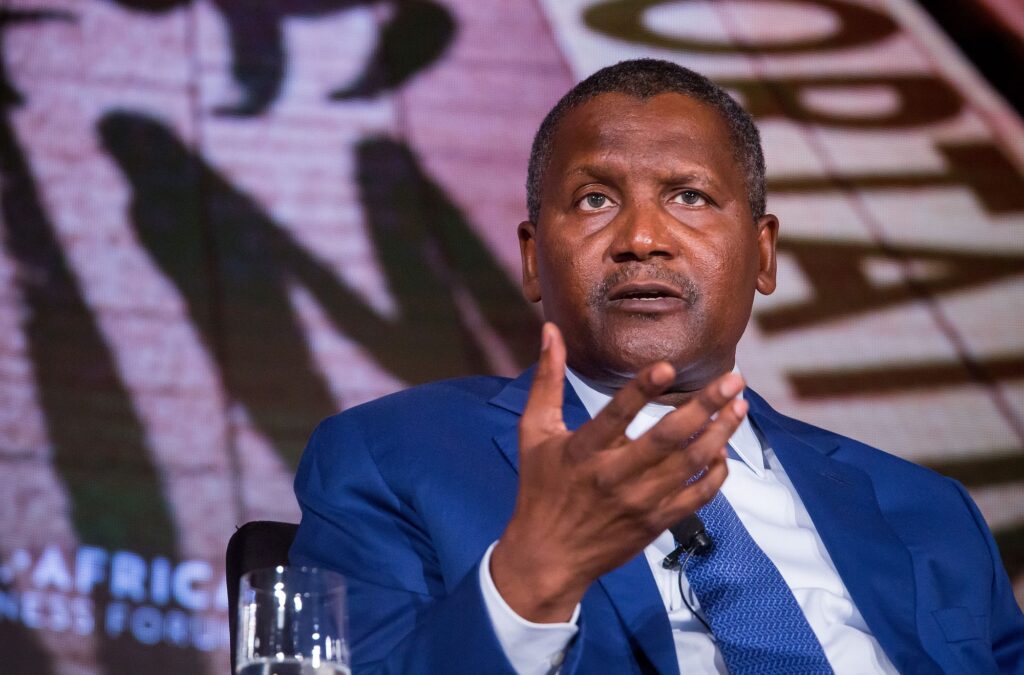
Aliko Dangote’s rise cannot be reduced to a mere entrepreneurial success story in an emerging African market. For the seasoned analyst, it represents the most fully realized expression of competitive intelligence (CI) – both offensive and defensive – adapted to the continent’s structural complexities. In the quest for continental economic sovereignty, industrial success is never a matter of luck, but rather a discipline of shadows. While the African Center for Competitive Intelligence and Strategic Monitoring (CAVIE) defines CI as a “mindset, a system, and a coordinated process of legally, rapidly, and securely questioning, collecting, processing, analyzing, and disseminating intelligence useful for decision-making in uncertain, hostile, or competitive environments,” the trajectory of the Kano-born magnate reveals complete mastery of these pillars. Over the years, Aliko Dangote has transformed initially hostile environments into impregnable regional monopolies, proving that information is the primary capital for the African entrepreneur. The African approach to CI prioritizes deep influence networks to anticipate market disruptions and regulatory shifts At the heart of the Dangote system lies a sprawling architecture and a surgical exploitation of human intelligence. In a context where official statistical data is often incomplete, outdated, or manipulated, the African approach to CI, documented by CAVIE, allows for the anticipation of regulatory shifts before they become public. As early as 1977, when he launched his first trading unit, Aliko Dangote did not merely execute transactions. He activated a human-source intelligence apparatus that enabled him to decode the infrastructure needs of a Nigeria undergoing post-colonial transformation. This ability to gather intelligence on the state’s real intentions allowed the group, from the 1990s onward, to shift from pure trading to integrated industrial production. The legal securitization of a competitive advantage, though sometimes criticized, rests on a fine-grained analysis of political power dynamics. Strategic intelligence functions as a shield against uncertainty and sabotage in an ecosystem deadlier than the drug trade The titanic Lekki Refinery project, whose final cost reached 23 billion dollars, illustrates the transition from defensive CI to open economic warfare. Dangote had to maneuver within an ecosystem he himself describes as particularly perilous: the crude oil trade. Here, economic intelligence becomes a protective weapon. By maintaining trusted relationships with key figures such as President Bola Tinubu, while simultaneously waging a direct legal and media battle against the Nigerian National Petroleum Company (NNPC), Dangote deploys information offensively. He neutralizes attempts at economic suffocation by securing his access to local crude, transforming an existential threat into a lever for dominance. Identify a long-standing sovereignty flaw to close it and reshape South Atlantic energy flows Competitive intelligence at Dangote is not merely about capital accumulation; it is an instrument for reshaping the balance of payments. By identifying staple goods whose local shortages penalize the economy, he converts national vulnerability into hegemonic opportunity. The commissioning of the refinery in 2024 triggered shockwaves far beyond Nigeria’s borders. Data from CAVIE and S&P Global already confirm a drastic collapse in European gasoline imports into Lagos. By reaching a capacity of 650,000 barrels per day, the group used CI to identify a major strategic flaw—a crude-exporting country that was a net fuel importer—to correct it. This is no longer merely an industrial achievement; it is an economic security operation. Ground-level knowledge is the most valuable asset on the balance sheet for building a fortress enterprise The group’s strength lies in its ability to control every segment of its value chain, reducing exposure to external shocks. By building its own ports, roads, and power plants, Dangote applies the concept of the “fortress enterprise.” This system is fueled by technological intelligence that enables the importation of best-in-class global equipment while adapting it to local conditions. This technical mastery creates near-insurmountable barriers to entry for any new competitor. Ultimately, Aliko Dangote has demonstrated that CI in Africa is first and foremost a matter of resilience. However, the next challenge will be to sustain this empire by ensuring a transition toward greater transparency – a sine qua non condition for credibility on global stock markets. In conclusion, the example of the Dangote fortune perfectly illustrates CAVIE’s thesis: economic intelligence is the engine of sovereignty. By dominating information and processing, the industrialist has not only built an empire but secured the foundations of energy independence for the continent’s largest economy. The outlook now depends on whether this model of “patriotic intelligence” can be replicated by other national champions across West Africa and beyond. Guy Gweth
The Role of Competitive Intelligence in Africa’s Largest Fortunes
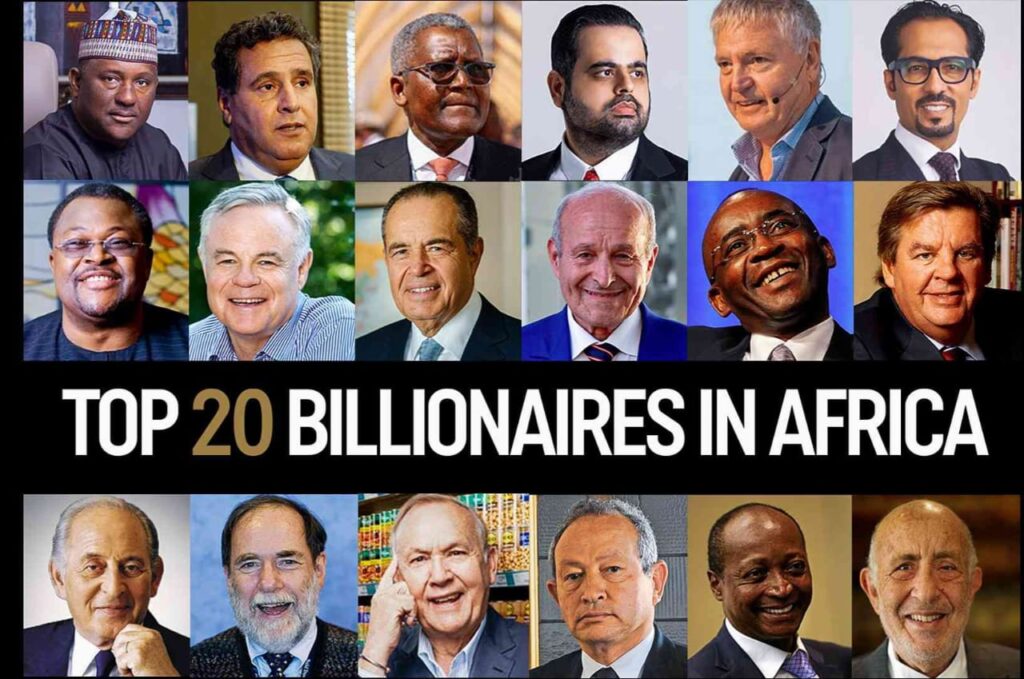
While leading rankings confirm a surge in the number of millionaires across the continent, a fundamental question remains regarding how these fortunes are built. Beyond the clichés of opacity or political rent-seeking, a more structural reality provides an answer: the rigorous application of competitive intelligence (CI), which CAVIE describes as distinctly African in nature. This article inaugurates a series of fifty analytical pieces aimed at demonstrating how the use of the defence–attack–influence triad of African CI has enabled the emergence and expansion of figures such as Aliko Dangote, Baba Danpullo, and Tony Elumelu. The Trajectory of Wealth in Search of Meaning In Africa, wealth accumulation has long been viewed through the prism of suspicion. In Central and West Africa in particular, fortune is all too often associated with “ill-gotten gains” or proximity to state power. This perception, though partly fuelled by genuine legal cases, obscures a profound transformation of the private sector. Today, the challenge facing local captains of industry is no longer merely to be wealthy, but to be builders—relying on the mindset and mechanisms of proven economic intelligence. The distinction between predatory wealth and value-creating wealth lies in the use of the framework defined by the African Centre for Competitive Intelligence (ACCI-CAVIE): a coordinated process of questioning, collecting, processing, and analysing lawful information in order to take decisions in hostile or uncertain environments. Whereas early colonial or post-colonial fortunes depended on the goodwill of an administration—as was the case with Paul Soppo Priso in Cameroon or Houphouët-Boigny in Côte d’Ivoire—today’s captains of industry rely on a sophisticated mastery of markets and competitive environments. Historical Trauma and Mastery of the Competitive Terrain Africa’s economic trajectory was forged in the traumatic crucible of the transatlantic slave trade and colonial exploitation. For centuries, Black individuals were reduced to mere units of motive power—living “energy resources” whose sole function was to fuel global trading circuits. This reduction of human beings to extractable commodities structurally denied access to productive capital and annihilated any aspiration to entrepreneurial freedom among indigenous populations. This legacy durably hindered the emergence of an endogenous culture of capitalist accumulation, while crystallising a systemic hostility within international markets, historically configured to marginalise local actors in favour of metropolitan interests. It is precisely on this “hostile terrain” that the authentic African competitive intelligence advocated by CAVIE deploys its analytical framework. Moving from the status of man-as-commodity to man-as-decision-maker required an exceptional capacity for questioning, collection, and analysis. To break the monopolies inherited from colonisation, African entrepreneurs had to design and animate effective, holistic intelligence systems based on human intelligence, capable of identifying opportunities where foreign actors perceived only risk. Africapitalism: The Mindset of African Competitive Intelligence The emergence of Africapitalism, championed by Tony Elumelu, marks the culmination of this process. It is no longer simply a matter of accumulation, but of long-term strategic investment to create local value added through intelligence that is at times defensive, at times offensive, and at times oriented towards influence. Aliko Dangote’s move into local oil refining in Nigeria illustrates decision-making grounded in the defence–attack–influence triad: understanding the vulnerabilities of imports in order to build local industrial sovereignty. The article series that follows will demonstrate that Africa’s great fortunes are not historical accidents, but the result of a well-honed process of questioning, collecting, processing, analysing, and producing intelligence—sometimes lawful, sometimes unlawful, but always instrumental to critical decision-making. By analysing well-known profiles, we will show how authentic African competitive intelligence has served as a lever to break through glass ceilings and transform uncertain terrains into sustainable empires. Ultimately, we will see that the exponential growth of Africa’s major fortunes, as reported in leading rankings, is merely the visible surface of a profound revolution driven by the information society. By shifting from a rent-based economy to an intelligence-based economy, Africa is redefining the contours of its prosperity. The articles I will publish each week until the end of 2026 will detail how African CI and dedicated mechanisms—documented and publicised by CAVIE—are helping to shape today’s and tomorrow’s leaders, thereby sustainably opening the way for an Africa that is the true agent of its own wealth. Guy Gweth
Cameroon: The 2025 Presidential Election Through the Lens of Strategic Intelligence
From Cameroon in 2025, how can the nation aspire to regional power by 2050? What role should authentic African strategic intelligence play in guiding a visionary state? What roadmap can turn this ambition into reality? And could Nigeria hold clues to our own future? In this exclusive interview with Le Messager No. 8621, dated 16 October 2025, I tackle these questions—and more—frankly and without compromise, offering insights for the next elected President through the prism of Power 237. Download the full interview HERE.
MCB-ACCI: driving an ambitious vision across african markets

I led a key mission in Port-Louis, Mauritius, from 20 to 27 September 2025. This mission continues the long-standing partnership between the African Centre for Competitive Intelligence (the ACCI) and the Mauritius Commercial Bank (MCB), which began in 2020. Our collaboration has now reached a decisive stage, fully integrated into the implementation of MCB’s ambitious Vision 2030. The mission’s goal was clear: to strengthen the internal capabilities of MCB’s various branches in holistic intelligence on African markets. I had the honour of meeting Mr Jean Michel Ng Tseung, Group CEO, whose five-year plan aims to make MCB “a leading Corporate and Investment Bank (CIB) and Private Bank (PB) in Africa.” My work with the teams was essential to ensure the bank has the analytical tools and insights needed to realise this ambition. Recognised Expertise at the Service of Competitiveness For a decade, the ACCI has set the standard for authentic African competitive intelligence. Our role is simple yet vital: to enable major African institutions to access, analyse, and leverage the most critical strategic information. During the mission, I presented and refined the integration of our core capabilities: comprehensive monitoring (competitive, financial, political, social, etc.) across all markets, precise strategic intelligence, and the legal ability to access sensitive information quickly. My discussions with MCB’s teams, which include over 4,200 employees worldwide, confirmed their commitment to this expertise. The ACCI approach goes beyond data collection—it combines analysis, advisory support, training, and team coaching. This integrated methodology has now been fully adopted by MCB to refine its continental expansion strategy. Supporting MCB’s Growth Across Africa MCB’s strategy focuses on excellence: CIB services for specialised ecosystems (energy, commodities, investment funds) and PB services targeting high-net-worth individuals. The bank relies on a hub model (Nairobi, Lagos, Dubai, Johannesburg, etc.) rather than a traditional retail branch network. To succeed as a leading player in CIB and PB, MCB needs a detailed, comprehensive understanding of its African clients. That’s where the ACCI comes in. My mission strengthened the bank’s presence in Southern, Eastern, and Western African markets. By integrating our solutions, MCB now benefits from enhanced insights into global markets, transactional banking, investment, and wealth management. As Mr Ng Tseung highlighted, Vision 2030 is clear: “Beyond our domestic markets, it is in Africa that we feel relevant, meaningful, and impactful.” Proof of an Effective Model This mission in Port-Louis reflects routine practice for the ACCI, whose model has been adopted by around fifty organisations across fifteen countries over the past decade. The trust placed in our expertise by leading financial institutions—Afriland First Group, BEAC, BGFI Group, Ecobank, and BNP Paribas Fortis—alongside public-sector actors (Presidencies of Côte d’Ivoire and Togo) and associations, is the clearest proof of the value of authentic African competitive intelligence in supporting the continent’s competitiveness. GG
My commitment to African strategic intelligence: The case of Ivory Coast
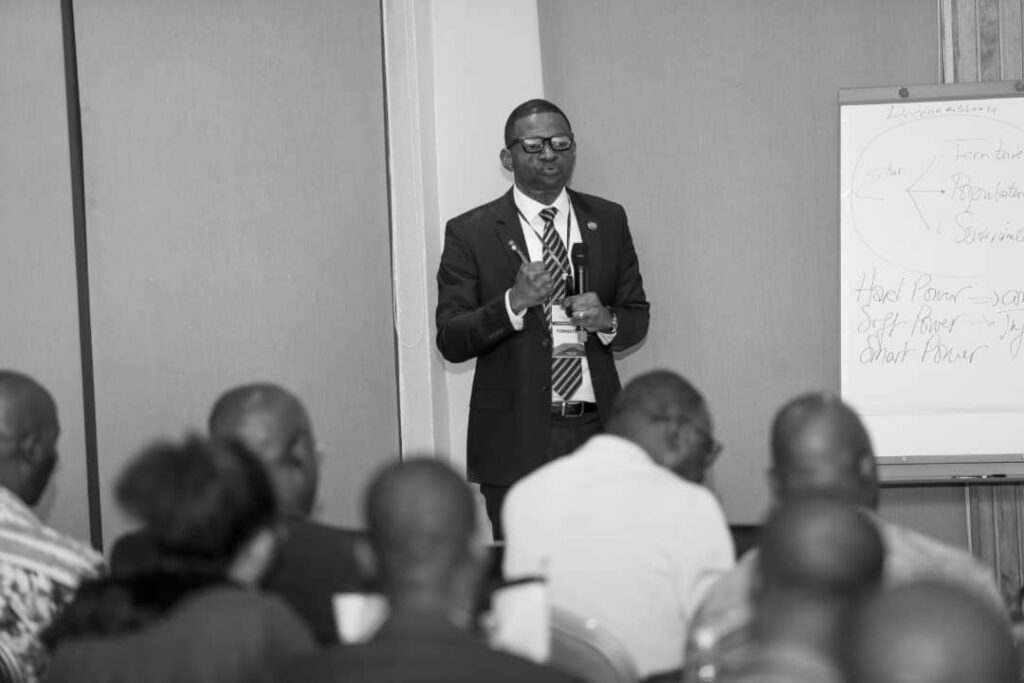
As President of the African Centre for Competitive Intelligence (ACCI), I am always driven by the conviction that mastering strategic intelligence and influence diplomacy is essential for the development of our continent. It is with this mission in mind that I recently had the honour of leading a series of high-level training sessions in Abidjan. From 4 to 5 August 2025, we reached an important milestone by certifying 70 executives and leaders from Ivorian civil society in influence diplomacy. This event was not a simple seminar but the culmination of a comprehensive programme launched in November 2024, thanks to the vision of Mr Salomon N’Dri, President of FEDEV, and Reverend Professor David Silué, Executive Secretary of FECI. Our objective was clear: to equip these leaders with the means to influence public decision-making, a crucial issue in the pre-electoral context but also far beyond. A Training Journey for Tomorrow’s Leaders This session on influence diplomacy, the fourth in our series, built on the foundations we established together. We began with geostrategy and augmented collective intelligence, then explored how to influence public decision-making in Africa. The third stage focused on managing intercultural risks, an essential element for operating effectively in a diverse environment. My team and I designed these modules to be directly applicable and relevant. These trainings, like the ten others that the ACCI has offered over the past decade—from strategic intelligence to financial investigations—reflect our expertise and understanding of the unique challenges Africa faces. A Decade of Trust and Partnership Celebrating our tenth anniversary fills me with particular pride for the path we have travelled. Over one decade, we have trained a thousand leaders across a dozen countries, from the Presidency of the Republic of Togo to companies such as Marsa Maroc and Afriland First Bank. This diverse client base, whether public, private, or associative, demonstrates the trust they place in us and the relevance of our approach. The recent recognition from FECI, which awarded me a certificate for “my involvement, my expertise, and my positive attitude,” is an honour that touches me deeply. Moments like these remind me that the work we accomplish at the ACCI has a real impact. For me, every training is an opportunity to share our expertise and contribute to a future where African actors are not only competitive but also capable of exercising a positive and strategic influence on the global stage. This is the very essence of our mission, and it is a commitment I will continue to defend with passion. GG
‘The emergencies of African competitive intelligence’: from debate to book
We are at the dawn of a multipolar era, marked by an economic war that risks intensifying with the potential return of Donald Trump to the White House. For us Africans, this is a critical crossroads. That is why, this autumn of 2025, I will be publishing my new book, ‘The Emergencies of African Competitive Intelligence’, following the 8th edition of the African Competitive Intelligence Days (#JAIE2025). The book offers an unflinching assessment of our situation and proposes decidedly disruptive solutions to address it, from an asymmetric posture—that of the weak against the strong. Africa’s human potential and natural resources are constantly praised. Yet, for too long, our continent has been exposed to external dynamics. At the African Centre for Competitive Intelligence (ACCI), our position is categorical: Africa can no longer afford to be a mere spectator or an arena for external rivalries. Our sovereignty, autonomy, the defence of our vital interests, optimal governance, sustainable development, and increased competitiveness demand a paradigm shift. We must contribute to the emergence and consolidation of an authentic African competitive intelligence—by Africans, for the benefit of a competitive and unapologetic Africa. This has been the heart of my commitment and my work for the past 15 years. Competitive Intelligence: Our Sword and Shield Competitive intelligence, as we define it at the ACCI, is much more than a concept. It is a “mindset, a framework, and a coordinated process of questioning, collecting, processing, analysing, and legally, rapidly, and securely disseminating useful competitive intelligence for decision-making in competitive, uncertain, or hostile situations” (Gweth, 2015). For Africa, this discipline is of paramount importance. It is not just about reacting to threats; it is about developing a proactive capacity to anticipate changes, identify opportunities, and positively influence our strategic environment. It is our shield and our compass in this new global era. Since the creation of the ACCI in 2015, I have never stopped hammering home a fundamental truth: the African approach to competitive intelligence cannot simply be a copy-and-paste of Western or Asian models. It must be inherently tailored to our continent’s specific nature: our complex history, our unique development challenges, the nature of our markets, the richness of our cultures, our aspirations for stronger regional integration, and our vision of balanced multilateralism (as promoted by the African Union through its Agenda 2063). The challenges are numerous, and I tackle them head-on in my book: securing our supply chains against global shocks (World Trade Organization, World Trade Report 2023), countering the illicit financial flows that undermine our economies (an alarming finding by the Economic Commission for Africa in 2020), mastering technology transfers and fostering homegrown innovation (a major issue for the African Development Bank in 2024), protecting our coveted natural resources (as reminded by the United Nations Environment Programme in 2022), and building an international reputation that matches our potential (Brand Africa, 2024). The Pillars of a Robust and Authentic African Competitive Intelligence In ‘The Emergencies of African Competitive Intelligence’, set to be released this autumn, I detail the pillars upon which this vision of an augmented, authentically African competitive and strategic intelligence must rest. Firstly, we must develop homegrown human and institutional capacity. This involves training experts who fully embrace their autonomy and African identity, and creating dedicated structures, because as Ndongo Samba Sylla so aptly highlighted (2014), African expertise is indispensable in facing the challenges of economic dependency. Secondly, it is crucial to establish pan-African cooperation networks and secure information-sharing platforms, a call regularly made by the African Union through its Peace and Security Council. Thirdly, integrating augmented competitive intelligence into decision-making processes at all levels of governance is imperative. The OECD (2018) has already emphasised the importance of integrating security issues into economic policies, and this is all the more true for us. Fourthly, and this is a point the ACCI has always forcefully and insistently put forward, we must mobilise the private sector and civil society for a collective ownership of economic competitiveness and security issues. This is the holistic, multi-stakeholder approach we urgently need. The book will be thoroughly researched, enriched with concrete examples and lessons learned from my own experience. It sets out to demonstrate that by rising to these challenges, Africa can transcend its current role and position itself as an essential and influential player in the global landscape of competitive and strategic intelligence. This is an urgent matter, not for the pleasure of theorising, but to secure our sovereignty, our development, and our prosperity in a world increasingly shaped by economic warfare. GG
Due diligence: a strategic alliance in the face of urgency

There is a palpable sense of urgency. Barely two weeks ago, an FBI team landed in Abidjan to investigate suspected Hezbollah financing—colossal sums transiting through Lebanese business networks that, unfortunately, sometimes plague our regional economy. Faced with this growing threat of terrorist financing, money laundering, and corruption, the African Centre for Competitive Intelligence (ACCI) and I could not stand idle. It was in this crucial context that I had the honour of leading a pivotal training course on the 2nd and 3rd of June 2025, in Cocody, for 52 distinguished members of the Federation of Evangelical Churches of Côte d’Ivoire (FECI). This initiative is no accident. It is a direct and resolute response to the scourges that erode the very foundations of our African states and societies. At the ACCI, we position ourselves not merely as keen observers, but as central players in the silent war being fought on the financial front. Arming Faith Against Illicit Finance: Due Diligence for All The intensive, certified training session, organised with FEDEV’s usual efficiency, was designed to leave no stone unturned. Over these two days, I had the privilege of guiding the FECI participants through the intricacies of due diligence. We covered precise definitions, explored the complex typology of risks, identified critical areas for monitoring, and, most importantly, learned how to produce a rigorous final due diligence report. Far from being a mere academic formality, this training is, in my view, an essential transfer of practical, critical tools to detect and counter the illicit financial flows that fuel terrorist groups and organised crime. I should note that this is the third session of its kind that we have conducted with FECI since November 2024, a testament to a strategic collaboration and perseverance in our commitment. These training courses have a clear objective: to transform religious leaders and executives into vigilant sentinels and key agents of change. Their role is now expanding beyond the spiritual sphere to fully embrace the political, economic, and global governance challenges of the Ivorian state. I firmly believe that evangelical churches, through their extensive social fabric and moral influence, constitute an essential link in the chain of national defence against subversion and financial predation. The ACCI: Facing Africa’s Urgent Competitive Intelligence Needs Our expertise at the ACCI in this domain is well-established; our track record speaks for itself. We have previously had the opportunity to strengthen the capabilities of teams from the Presidency of the Republic of Côte d’Ivoire itself, during due diligence training sessions held in Ouagadougou and Abidjan. This ability to train the highest echelons of the state, combined with the empowerment of civil society actors like FECI, gives the ACCI a unique and, I dare say, critical position in the fight against terrorist financing and money laundering in West Africa. By equipping FECI with the tools of due diligence, the ACCI and I are not just training; we are initiating a genuine movement. A movement where civil society, enlightened and equipped, takes its rightful place alongside state institutions to confront threats that, if not contained in time, can plunge entire nations into chaos. Discover all my training courses at https://les-dirigeants.com GG
Augmented competitive intelligence in Africa: a key to competitiveness

In an increasingly complex, hyper-competitive, and often brutal world, it is imperative that Africa masters the tools of the future to secure its sovereignty and prosperity. At the heart of this transformation lies augmented competitive intelligence, a field I have dedicated myself to for the past fifteen years. My expertise, combined with the strategic vision of the African Centre for Competitive Intelligence (ACCI), is essential to empower Africa’s public and private sectors to become more competitive. On the 22nd of April 2025, I was honoured to deliver a keynote address at the second Cameroonian Artificial Intelligence Days, held at the Hilton Hotel in Yaoundé at the invitation of the Cameroonian Minister of Posts and Telecommunications. My goal was clear: to highlight the vital link between Artificial Intelligence (AI) and Competitive Intelligence (CI), and to frame this partnership as a powerful strategic advantage. As the editor of a collaborative book published in 2024 on how AI can boost the performance of Africa’s public and private sectors, I structured my presentation around three core pillars. AI as a Catalyst for High-Value Competitive Intelligence First, I showed how AI allows competitive intelligence to evolve into augmented competitive intelligence, capable of producing high-value insights at speed. In an environment where information is abundant but relevant intelligence is scarce, AI offers unparalleled capabilities for analysis, processing, and prediction. Using sophisticated algorithms, machine learning, and natural language processing, the ACCI, under my guidance, is developing methods to turn masses of raw data into actionable strategic insights. This approach enables our African decision-makers, both in government and in the private sector, to better anticipate threats, identify opportunities, and optimise their strategies in an era of global economic warfare. The Imperative of an African AI: By Africans, for Africa My speech then underscored the urgent need to build an African AI—by Africans, for Africa—powered by a wealth of high-quality, relevant data. This is not about passively adopting foreign technologies, but about creatively and sovereignly shaping AI to fit the specific realities, challenges, and opportunities of our continent. At the ACCI, we champion an approach that fosters homegrown innovation, develops local talent, and establishes robust technological infrastructures. A truly African AI will not only safeguard the continent’s data and strategic interests but will also empower us to build solutions tailored to our unique challenges, from sustainable development and food security to natural resource management. Cameroon, a Future African Power: The Vision of ‘Power 237’ Finally, I connected Cameroon’s current efforts in AI to the bold vision of my recent book, “Power 237”. This visionary yet pragmatic work lays out a roadmap for Cameroon to become the continent’s leading power by 2050, driven primarily by the strategic and measurable application of AI. In my view, Cameroon can serve as a model for the entire continent, proving that strong technological and economic ambition, backed by augmented competitive intelligence, is the key to transformation and growth. Investment in AI, training our youth, and integrating these technologies into public policy and business strategy are all key levers for achieving this ambitious goal. My address at the second Cameroonian Artificial Intelligence Days was more than just an analysis; it was a call to action. For the past decade, the ACCI, among other organisations, has been paving the way for an Africa firmly focused on the future—a future where augmented competitive intelligence is no longer an option, but a vital necessity for the competitiveness and sovereignty of its people and institutions. Find all my training courses at https://les-dirigeants.com GG As the world shifts into a multipolar era, marked by economic warfare (Varène, 2020) and now further intensified by the return of Donald Trump to the White House, Africa finds itself at a critical crossroads. The upcoming book The Emergencies of African Competitive Intelligence, set for release in September 2025, offers a frank diagnosis and proposes bold, disruptive solutions to confront this reality through an asymmetric strategy — one that equips the weak to challenge the strong. Africa, often praised for its human potential and abundant natural resources, has long remained vulnerable to external dynamics. According to the African Centre for Competitive Intelligence (ACCI), the continent can no longer afford to play the role of bystander or battleground for global rivalries. The pursuit of sovereignty, autonomy, protection of vital interests, sound governance, sustainable development, and enhanced competitiveness demands a profound paradigm shift: the rise and consolidation of a distinctly African approach to competitive intelligence — developed by Africans, for the benefit of a confident and competitive Africa. The ACCI defines competitive intelligence as “a mindset, a structure, and a coordinated process of questioning, collecting, processing, analysing and legally disseminating economic intelligence that is useful for decision-making in competitive, uncertain or hostile environments” (Gweth, 2015). For Africa, this approach is crucial — not merely as a response to threats, but as a means of building a forward-looking capacity to anticipate global trends, identify opportunities, and shape its own strategic environment. Since its founding in 2015, the ACCI has continuously emphasised that Africa’s approach to competitive intelligence cannot be a copy of Western or Asian models. It must be built on the continent’s specific realities: its complex history, unique development challenges, cultural richness, ambitions for stronger regional integration, and its vision for a more balanced multilateralism, as articulated in the African Union’s Agenda 2063. There are many pressing priorities. Africa must secure its supply chains against global shocks, as highlighted by the WTO’s 2023 World Trade Report. It must stem the tide of illicit financial flows that undermine its economies, a challenge identified in the UN Economic Commission for Africa’s 2020 report. Managing the transfer of technology while fostering homegrown innovation is essential, as the African Development Bank pointed out in 2024. The continent must also protect its highly sought-after natural resources, a concern underscored by the UN Environment Programme in 2022. At the same time, it must build a reputation on the global stage that reflects its true potential, as recent studies by Brand Africa suggest. The prospect of building