
The emergencies of African competitive intelligence in a borderless economic war – by Dr Guy Gweth
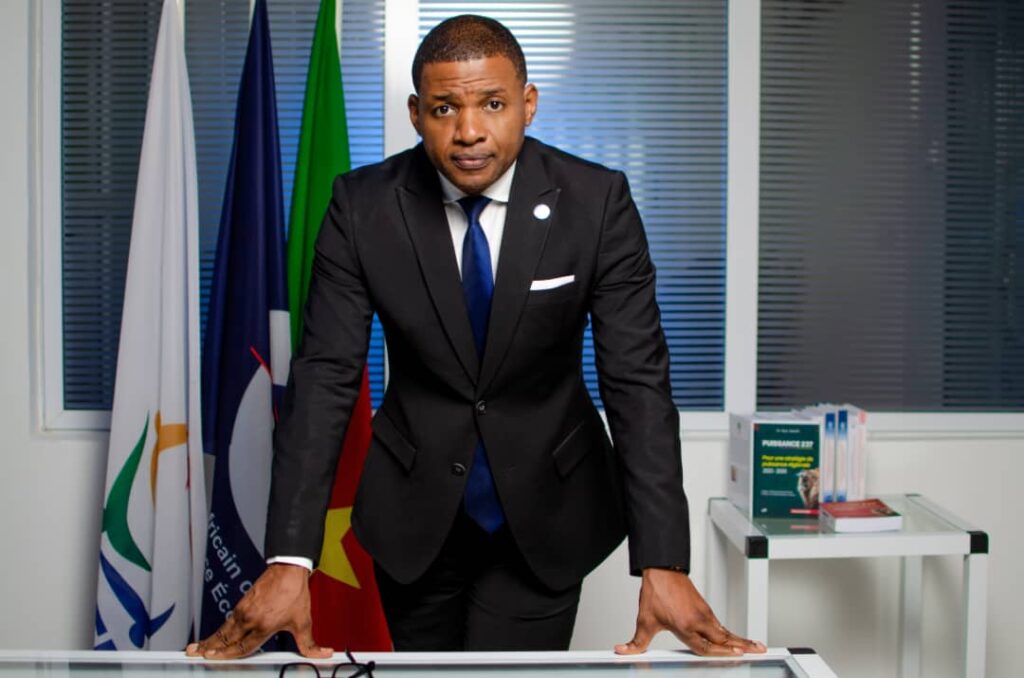
As the world shifts into a multipolar era, marked by economic warfare (Varène, 2020) and now further intensified by the return of Donald Trump to the White House, Africa finds itself at a critical crossroads. The upcoming book The Emergencies of African Competitive Intelligence, set for release in September 2025, offers a frank diagnosis and proposes bold, disruptive solutions to confront this reality through an asymmetric strategy — one that equips the weak to challenge the strong. Africa, often praised for its human potential and abundant natural resources, has long remained vulnerable to external dynamics. According to the African Centre for Competitive Intelligence (ACCI), the continent can no longer afford to play the role of bystander or battleground for global rivalries. The pursuit of sovereignty, autonomy, protection of vital interests, sound governance, sustainable development, and enhanced competitiveness demands a profound paradigm shift: the rise and consolidation of a distinctly African approach to competitive intelligence — developed by Africans, for the benefit of a confident and competitive Africa. The ACCI defines competitive intelligence as “a mindset, a structure, and a coordinated process of questioning, collecting, processing, analysing and legally disseminating economic intelligence that is useful for decision-making in competitive, uncertain or hostile environments” (Gweth, 2015). For Africa, this approach is crucial — not merely as a response to threats, but as a means of building a forward-looking capacity to anticipate global trends, identify opportunities, and shape its own strategic environment. Since its founding in 2015, the ACCI has continuously emphasised that Africa’s approach to competitive intelligence cannot be a copy of Western or Asian models. It must be built on the continent’s specific realities: its complex history, unique development challenges, cultural richness, ambitions for stronger regional integration, and its vision for a more balanced multilateralism, as articulated in the African Union’s Agenda 2063. There are many pressing priorities. Africa must secure its supply chains against global shocks, as highlighted by the WTO’s 2023 World Trade Report. It must stem the tide of illicit financial flows that undermine its economies, a challenge identified in the UN Economic Commission for Africa’s 2020 report. Managing the transfer of technology while fostering homegrown innovation is essential, as the African Development Bank pointed out in 2024. The continent must also protect its highly sought-after natural resources, a concern underscored by the UN Environment Programme in 2022. At the same time, it must build a reputation on the global stage that reflects its true potential, as recent studies by Brand Africa suggest. The prospect of building a strong African competitive intelligence framework relies on several key dimensions. First is the development of home-grown human and institutional capacity, through the training of experts who embrace their African identity, and the establishment of specialised structures. Ndongo Samba Sylla (2014) has notably called for Africa to develop its own expertise in response to economic dependency. Next comes the need to build Pan-African cooperation networks and secure information-sharing platforms — a strategic objective that aligns with the Peace and Security Council of the African Union. Equally important is the integration of augmented competitive intelligence into decision-making processes at all levels of governance. The OECD has stressed the importance of embedding security considerations into economic policy since 2018. Finally, Africa must mobilise its private sector and civil society to collectively take ownership of economic security, a perspective long championed by the ACCI through its call for a holistic, inclusive approach. Rich in documentation, case studies and practical insights, the forthcoming publication The Emergencies of African Competitive Intelligence (September 2025) sets out to demonstrate that by rising to meet these challenges, Africa can transcend its current position and emerge as a vital, influential player in the global competitive and strategic intelligence landscape. This is not only a strategic imperative — it is a pressing necessity, if the continent is to secure its sovereignty, development, and long-term prosperity in an age increasingly shaped by economic conflict. Guy Gweth
“Power 237”: equipping Cameroon with a regional power strategy
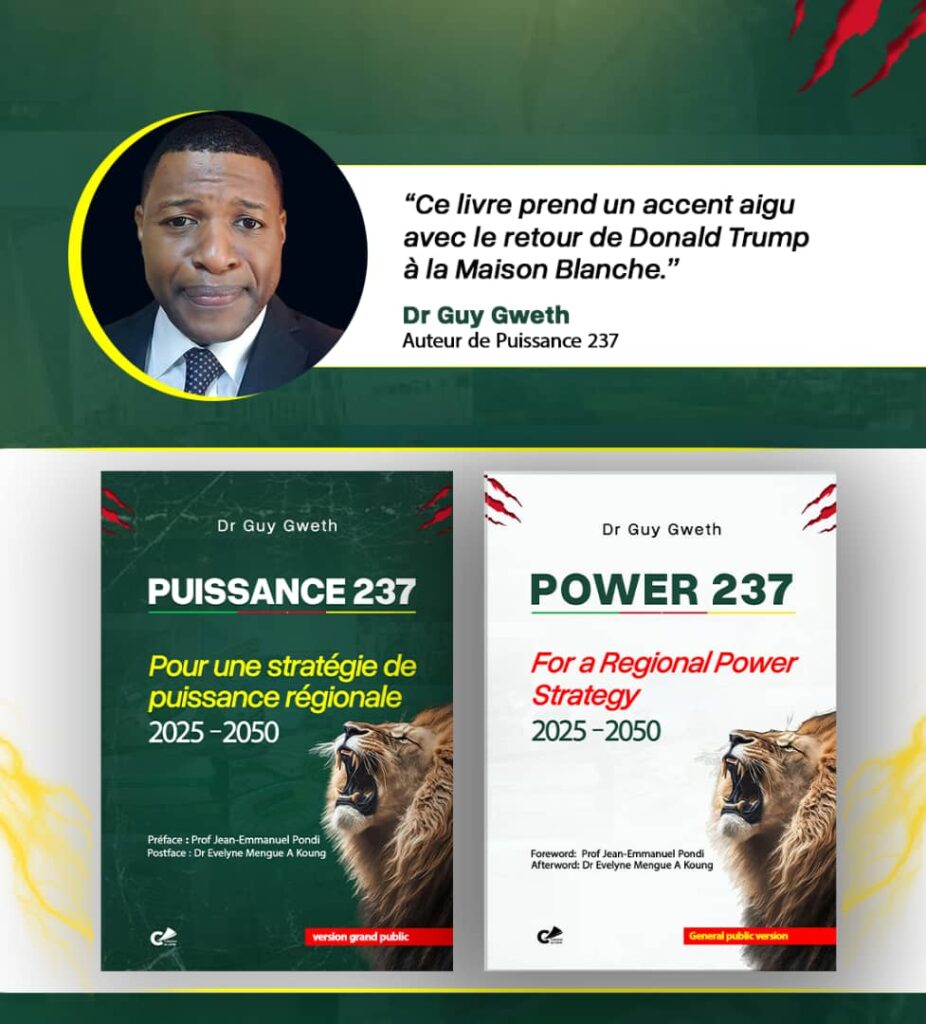
The 500-page whitepaper, “Power 237,” a product of Dr. Guy Gweth’s research, analysis, and consultation, aims to equip Cameroon with a strategy to become a regional power. To be released on 30 January 2025, in both French and English, this work is divided into seven parts and thirty-five chapters. It seeks to provide a strategic, pragmatic, and inclusive contribution to Cameroon’s future. A Project Building on the Past, but with Renewed Ambition “Power 237” builds upon previous efforts such as “Cameroon Vision 2035,” the GESP, and the NDS30, without contradicting them theoretically. The work acknowledges their achievements but offers an updated and more operational reading of the challenges and opportunities. It aims to go beyond general observations and orientations to propose concrete strategies, specific and quantifiable indicators, and more ambitious yet achievable goals. The methodological approach is based on a comparative analysis between “Vision 2035” and “Power 237,” examining the translation and implementation of objectives in various planning documents. The emphasis is on achieving concrete and measurable results, with rigorous monitoring and evaluation mechanisms. A Committed and Inclusive Engagement for a Strong Cameroon “Power 237” aims to be a tool for mobilization and action, seeking to engage all stakeholders in a collective dynamic. The work adopts a pedagogical tone to facilitate understanding and ownership of the discourse by all. It also presents itself as a dynamic and inclusive working tool, encouraging the contribution of all Cameroonians to co-construct a vision of modern and relevant power. A long version of the report, intended for decision-makers and government authorities, addresses more sensitive issues related to national security, requiring increased confidentiality. From Fighting Poverty to Seeking Regional Power The work starts from the observation that successive development plans, although based on the objectives of “Vision 2035,” do not show sufficient progress towards the desired results. “Power 237” therefore intervenes to readjust objectives and indicators, in order to define more realistic and relevant actions. Free from all bias, it proposes a strategic reflection for a strong, prosperous, and internationally respected Cameroon. Regional Power: A Holistic Vision In “Power 237,” regional power is envisioned as a comprehensive capacity for influence and projection, based on a strategic combination of three interdependent dimensions: Hard Power: Traditional means of power, such as armed forces, strategic natural resources, and industrial capacity. Soft Power: Cultural attractiveness, shared values, intellectual influence, and diplomatic sway. Smart Power: The intelligent combination of hard and soft power, adapting resources to contexts and objectives. Cameroon is thus invited to develop a balanced and sustainable regional power by investing in these three dimensions and articulating them coherently. Why is this ambition relevant? Several factors justify this ambition according to Guy Gweth: the solid foundations laid by the GESP (Growth and Employment Stratrgy Paper) and “Cameroon Vision 2035,” the favorable international context for the emergence of new powers, and the necessity to free Cameroon from the sneer of underdevelopment Mobilizing the Vital Forces of the Nation To achieve this goal, Cameroon must mobilize the three dimensions of power: Hard Power: Massive investments in military capabilities, strengthening internal and external security, developing a national defense industry, aggressive policy for the development of physical infrastructure, and policies for industrialization and export. Soft Power: Promotion of culture, history, and values; support for cultural exchanges; development of education and research; and strengthening cooperation with other African countries. Smart Power: Intelligent combination of hard power and soft power, development of active diplomacy, strengthening economic partnerships, and promoting regional cooperation. The Role of Different Stakeholders The strategic state must update and clarify its vision, set strategic objectives with precise indicators, mobilize the necessary resources, and coordinate the actions of various actors. Businesses must invest in benchmarking, research and development, innovate, and create jobs. The academic world must train the necessary skills, conduct cutting-edge research, and disseminate knowledge. The media must inform citizens and promote the country’s image abroad. Development partners can contribute to strategic supplies. Conclusion The goal of becoming a leading power in Africa by 2050 is an ambitious challenge, but deemed achievable by Dr. Guy Gweth and all the stakeholders consulted. It will require strong political will and an unprecedented mobilization of all the vital forces of the nation. The work thus appears as a significant contribution to the in-depth reflection on the future of Cameroon and a concrete tool to transform this ambition into reality. The Editorial Team
Enhancing competitive and strategic intelligence in Côte d’Ivoire: The ACCI steps up its engagement

The African Centre for Competitive Intelligence (ACCI) is intensifying its efforts in Côte d’Ivoire. Following successful training sessions with the Ivorian Presidency, the ACCI organized a comprehensive workshop for members of the FECI on the 18th and 19th of November 2024 in Abidjan. This proactive involvement underscores the ACCI’s commitment to equipping key figures in local public life with the necessary tools to tackle the intricate challenges of the modern world. A Trusted Partner for Institutions and Businesses In its nine years of operation, the ACCI has emerged as a pivotal player in competitive intelligence in Africa. Within Côte d’Ivoire, the organization has showcased its expertise by assisting both public and private entities in their strategic endeavors. Presidential Support: The ACCI has consistently delivered tailored training to the Ivorian Presidency teams, enhancing their capabilities in strategic monitoring, competitive intelligence, risk communication and management, due diligence, and investor profiling. These skills are vital in ensuring national security and attracting high-quality foreign investments. Leading MBA Programme: The ACCI has launched a specialized MBA in competitive intelligence and African markets in Abidjan, providing Ivorian professionals with top-tier training. Developed by Dr. Guy Gweth, this program has equipped numerous Ivorian executives and managers with insights into competitive intelligence challenges until 2022, with ongoing thesis supervision focusing on monitoring, competitive, and strategic intelligence in Côte d’Ivoire. Civic Engagement: By delivering advanced training to religious leaders, the ACCI showcases its dedication to leveraging its expertise for the benefit of civil society. This initiative enables religious organizations to enhance their understanding of their surroundings and operate more effectively. The Keys to ACCI’s Success in Côte d’Ivoire The success of the ACCI in Côte d’Ivoire can be attributed to several key factors: Recognized Expertise: The ACCI has renowned expertise in competitive and strategic intelligence in the country, stemming from its African and international experience and its network of proficient partners. Tailored Approach: The ACCI tailors its training and services to the specific requirements of each organization, whether from the public, private, or civil society sectors, with a particular focus on the Ivorian landscape. Dedication to Africa’s Development: The ACCI firmly believes that monitoring, competitive, and strategic intelligence are crucial levers for the advancement of Côte d’Ivoire and Africa as a whole. The significance of Competitive and strategic intelligence in Côte d’Ivoire In the current globalized and complex landscape, competitive intelligence has become a strategic imperative for Ivorian entities and institutions. By enabling them to anticipate environmental changes, identify opportunities, and manage risks, competitive and strategic intelligence play a pivotal role in enhancing the competitiveness of Ivorian economic players and attracting investments. All things considered, the ACCI plays a vital yet discrete role in advancing competitive intelligence in Côte d’Ivoire. By training key figures, supporting businesses and institutions, and engaging with civil society, the ACCI contributes significantly to fortifying the resilience and competitiveness of the Ivorian economy. The Editorial Staff
The Influence of Consulting Firms on Public Policy: The ACCI at the SKEMA Publika Conference
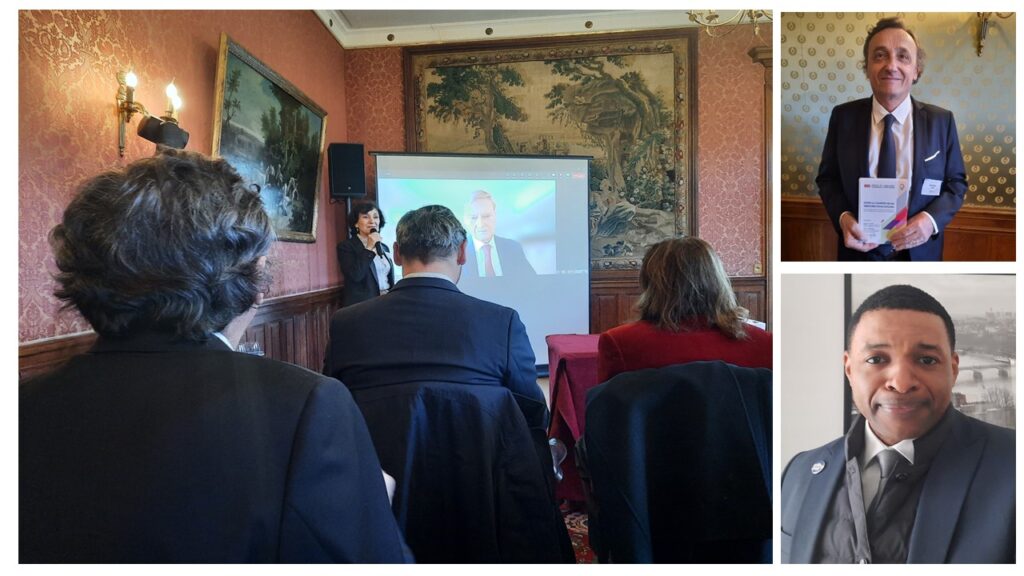
For this participation in the series of “At the Heart of Influence” meetings organized by Skema Publika, the African Centre for Competitive Intelligence (ACCI) was represented by its president, Dr. Guy GWETH, on March 28, 2024 at the Cercle de l’Union Interalliée in Paris. The theme of the day was “What influence do consulting firms have on public policies?” “Deep state” or fantasy? Described as a “tentacular phenomenon” by the Senate’s inquiry commission in its 2022 report, the influence of private consulting firms on the development of public policies led to the adoption of a bill on 1st February 2024 by the French National Assembly to regulate the intervention of such structures. Is the commissioning of consulting firms an effective use of public funds? Is it absolutely necessary? Is there a genuine political determination to regulate this practice? What limits should be imposed? What does the decline in public orders observed in recent months signify? Is it permanent or temporary? These are the questions that this meeting brought to the table. Around the table To answer these questions, under the moderation of Claude REVEL, Director of Development at SKEMA Publika and former Interministerial Delegate for Competitive and Strategic Intelligence (Intelligence Economique): Éliane ASSASSI, former senator and rapporteur of the inquiry commission on the growing influence of private consulting firms on public policies (January 2022) Caroline MICHEL-AGUIRRE, senior reporter at L’Obs and co-author of the book “Les Infiltrés” Yves MORIEUX, senior advisor at the Boston Consulting Group (BCG), former senior associate director and global director of the Institute for Organization. An anonymized report of this meeting will soon be available on the website of the think tank Skema Publika. Under the Radar According to Dr. GWETH, two important issues went under the radar in this discussion that deserve more attention: “The first point is that effectively partnering with a consulting firm does not come naturally. It is a skill that must be learned, and trainings exist to help develop this capacity. However, it is clear that public administrations, both in the north and south, are rarely well-prepared in this area. The onus cannot solely be placed on consulting agencies. “The second point concerns the “state of the art” referenced by Yves Morieux from BCG. Not enough was said about how this perspective itself is not without potentially counterproductive influences on those it aims to serve… The New Public Management approach (which was not directly referred to during our discussion) has received substantial critical assessment in the academic literature. Some of the documented harms include increased complexity, reduced accountability of public actors, demoralization of public servants, and so on. In Africa According to the ACCI, the influence of strategic consulting firms on African states’ public policies is undeniable. While these agencies provide valuable expertise and skills to governments, Dr. GWETH, member of the House of Public Affairs of the University of Paris Dauphine stressed the importance of “ensuring they operate in transparency, inclusiveness and accountability, and that public administrations are equipped to work effectively with strategy consultancies.”He further notes that “the established approaches underlying major consultancies also wield influence, since models like New Public Management or the transfer of private sector best practices to the public sphere have consequences – as we’ve seen in the public healthcare sector.” The president of the ACCI took the opportunity to distribute copies of the latest white paper from the ACCI, “Doper la compétitivité des territoires francophones.” The publication was released during the second edition of the Festival de l’intelligence économique francophone, held on last October 2nd in Yaoundé. This was held alongside the 44th session of the Francophonie Ministerial Conference. The next edition of FIEF will take place in October 2024 in Paris. The Editorial Team (with Skema Publika)
Competitive intelligence to strengthen the competitiveness of the new Senegal
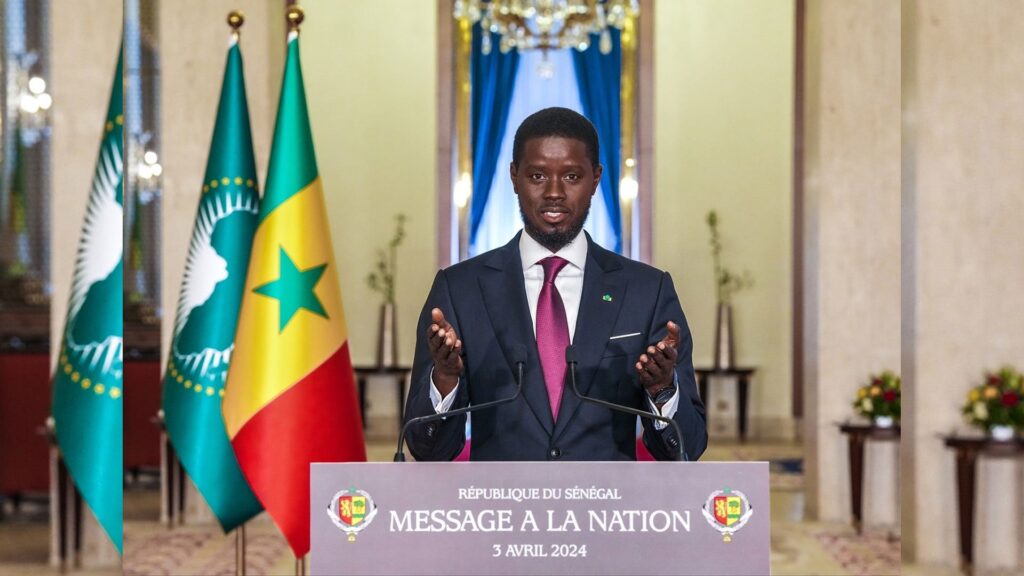
Following the holding of the General Assembly on African Competitive Intelligence (EGIEA) on 29 and 30 April 2019 in Dakar, the Senegalese Head of State, Bassirou Diomaye Faye, has decreed the creation of the Bureau d’intelligence et de prospective économique (BIPE), a special bureau for competitive intelligence and foresight. Five years later, almost to the day, the announcement was made during the Council of Ministers on April 17th, 2024. A decision hailed by the African Centre for Competitive Intelligence (ACCI) as the embodiment of a new paradigm. The General Assembly on African Competitive Intelligence, organized by The African Centre for Competitive Intelligence (ACCI), took place from 29th to 30th April 2019 at King Fahd Palace Hotels in Dakar. As a ground-breaking event in the landscape of competitive intelligence in Africa, this high-level meeting brought together over a hundred actors of competitive intelligence from 25 African countries, as well as international experts in related disciplines, in the Senegalese capital. The announcement of the creation of the BIP) on 17th April 2024, by the President of the Senegalese Republic, was hailed by the ACCI as it embodies the authentic African competitive intelligence in action. A context marked by major economic challenges Senegal, like many African countries, faces significant economic challenges. Geopolitical tensions, increasing globalization, heightened competition, and technological changes: the international stage is constantly evolving, demanding unprecedented adaptability and anticipation from states. How to tackle the challenges of youth unemployment, poverty, debt, and dependence on imports through competitive intelligence? How to promote economic patriotism and renegotiate contracts with foreign entities, restore investor confidence, stabilize the economy, and maintain growth through high-value information? It is to address these issues that competitive intelligence emerges as an indispensable tool for strategic decision-making in a complex environment. Competitive intelligence at the heart of its policies Under the local supervision of Dr. Lansana Gagny Sakho, the current Secretary General of The African Centre for Competitive Intelligence (ACCI), the proceedings of the EGIEA in Dakar provided an uncompromising assessment of competitive intelligence in Africa. This meeting also helped define priorities for African economies. The outcomes of this gathering and the outlined perspectives have led to the establishment of initiatives such as the BIPE. In line with the ACCI’s recommendations, the creation of this instrument, which is both defensive, offensive, and influential, embedded in the realities of the local context, reflects the new Senegalese executive’s commitment to placing competitive intelligence at the heart of its development policies and strengthening the country’s competitiveness. Competitive intelligence: a lever for performance Unlike some competing approaches, competitive intelligence is not synonymous with espionage or limited to information warfare. For the ACCI, it is a structured and methodical process of questioning, collecting, processing, analyzing, and securely disseminating economic information that is useful for strategic decision-making in competitive, uncertain, and/or hostile situations. In African countries, it enables businesses and states to identify opportunities and threats in their markets, rigorously protect their interests, and develop sustainable competitiveness strategies. BIPE, an instrument of competitiveness for Senegal The creation of the BIPE marks an important milestone in implementing a national framework for competitive intelligence in Senegal as recommended by the ACCI. In this regard, the BIPE will, among other things, collect and analyze economic information from various sources (companies, administrations, associations, international organizations, etc.), identify opportunities and threats in domestic and international markets, develop decision support tools for leaders, and timely and securely disseminate high-value economic information to Senegalese economic actors. ACCI, a strategic and natural partner for the BIPE The African Centre for Competitive Intelligence (ACCI) is known as the pan-African organization of reference for the promotion, training, certification, and implementation of systems for competitive intelligence in Africa. The Centre possesses recognized expertise in the field and an extensive international information network. With this foundation, it can provide valuable support to the BIPE in its missions, including access to additional sources of information, expertise in analysis and intelligence, and substantial assistance in strengthening the capacity of BIPE personnel. Competitive intelligence, a key factor for Senegal’s competitiveness By establishing an effective system of competitive intelligence and economic foresight, Senegal is equipping itself with a major asset in line with its current situation, to strengthen its internal competitiveness and its standing on the international stage. With the collaboration, experience, and expertise of the ACCI, the BIPE could play a crucial role in this endeavor by providing Senegalese economic actors with the necessary information and analysis to safeguard the domestic market through legal means, target new markets by leveraging its powerful diaspora (within multinational companies and international organizations), make informed decisions, and develop disruptive and winning strategies. The embodiment of authentic African competitive intelligence Competitive intelligence is an essential tool for Senegal’s economic development. The creation of BIPE marks an important step in establishing an effective national system. By embracing this strategic approach, Senegal is equipping itself to face economic challenges and seize opportunities for its future development. Through its mere establishment in the current context, BIPE embodies authentic and sovereign African competitive intelligence in general, and Senegalese competitive intelligence in particular. The ACCI commends President Diomaye Faye’s initiative and is committed to contributing to its success. Dr. Guy Gweth, President of ACCI, Director of Operations at Knowdys Consulting Group, and Director of Doing Business in Africa at CentraleSupélec.
Competitive intelligence and competitiveness: my truth at the Austrian Economic Forum 2024
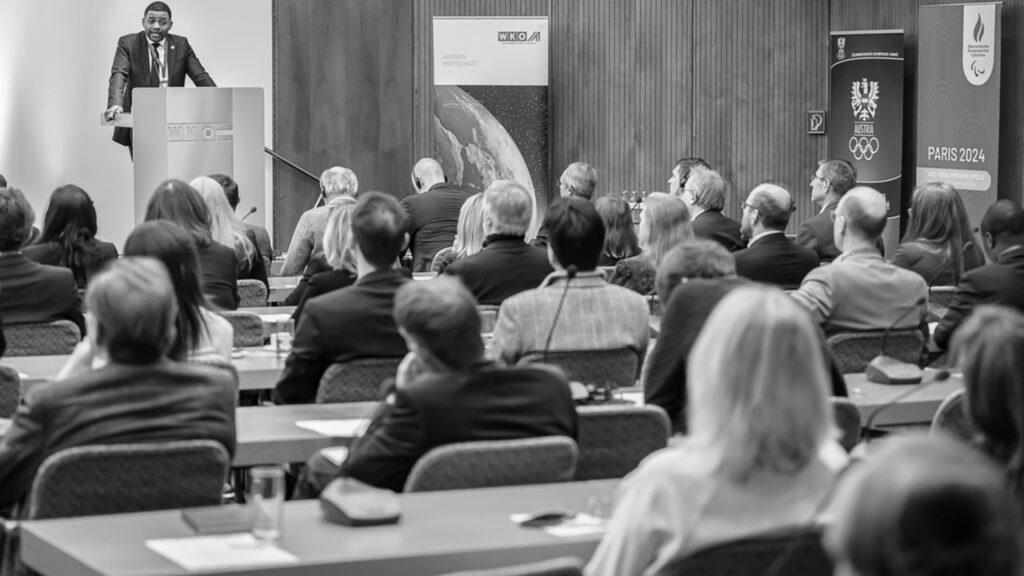
At the invitation of the Vienna Circle, I spoke on March 20, 2024, at the headquarters of #WKO, the Austrian Chamber of Commerce with its 517,000 member companies. My mission was to demonstrate the contribution of competitive intelligence to the competitiveness of the Francophone space in general, and the attractiveness of African markets in particular, through examples and concrete cases. Speaking in Vienna for the first time is a unique experience. Firstly, because it is the land of Brahms, Haydn, Liszt, Mozart, and Schubert. It’s in the air… Secondly, because in the current geopolitical context, no one can forget that on March 12, 1938, German troops marched into Vienna… Lastly, because Austrian companies are ripe for Africa. According to the African Centre for Competitive Intelligence (ACCI), “competitive intelligence (CI) is a mindset, a device, and a coordinated process of rapid, legal, and secure questioning, collection, processing, analysis, and dissemination of intelligence useful for decision-making in a competitive, uncertain, or hostile environment.” It is an essential tool for French-speaking public and private operators who want to increase their competitiveness, protect their domestic market, expand their market share, acquire new customers, retain their clientele, minimize risks, stay at the forefront of technology, and protect their informational assets. In 2022, in Djerba, Tunisia, I started the Festival de l’intelligence économique francophone – FIEF (Francophone Competitive Intelligence Festival), to contribute effectively and measurably to the competitiveness of the Francophonie. This was done on the sidelines of the 18th Summit of Heads of State and Government of OIF member countries. To recap, the Francophonie encompasses 321 million speakers in 112 countries and territories, representing 17.5% of the world’s population. It is the fifth most spoken language in the world, with 16.6% of global GDP, 20% of intra-community trade, $9 trillion USD of cumulative GDP, and $624 billion USD of intra-Francophone exports in the fourth quarter of 2023. My view is that the main strengths of the Francophone space are a growing market (with a young and dynamic population), a rich and diverse economic space (with vast natural and human resources), and strong attractiveness for investors (with a relatively stable and favorable legal environment). The main challenges of the Francophone space are reducing economic disparities among Francophone countries, developing infrastructure and digitalization, promoting entrepreneurship and innovation, and strengthening Francophone influence in the world. In light of this, African competitive intelligence emerges as the sword and shield of the competitiveness of the Francophone space. Therefore, before the 240 participants who trusted me and came to listen, I presented concrete examples, comparative analyses, and shared experiences to support an unambiguous demonstration. After this intervention, my hope is that the participants understood that competitive intelligence is a considerable asset for economic operators who want to stand out in a competitive and dynamic environment, such as the Francophone markets in Africa. By adopting it proactively and in a coordinated manner, the Francophone space can improve its performance, strengthen its competitiveness, and position itself as a key player in global economic development. Guy Gweth
For a new deal in Official Development Assistance

The Africa emergence had appeared to be irrevocable until the year 2020 came to expose its frailties. On top of pandemic, recession, the rise of terrorism and the return of the military to power, the wave of third presidential terms appeared as symbolic of a decline of decade. In the face of emergency, the continent needs to reconsider development assistance. This plea is not intended to condemn the official development assistance (ODA). Many studies already highlight defects such as the increase in transaction costs in terms of administrative and coordination costs or expenses that do not contribute neither to the fight against poverty nor to the improvement of living conditions of the concerned populations. But, knowing that in addition to the above a significant part of the ODA includes the care of asylum seekers in countries of the North during the first twelve months of their stay, it is permissible to question the appropriate target of this public aid. And it is right to recognize that more constructive and coordinated aid would be decisive for African continent. A powerful indicator of deficiencies Before its completion the year 2020, year of the 60th anniversary of independence, really placed African continent before its own contradictions. In the continent, rift between the people and the ruling class is obvious. The social elevator is gripped and the judge helpless. On the whole, the urban youth flattered by the staging of some successes on the Internet, tempted by exodus and watched by radical groups, have chosen the virtual as a release. Exposed to corruption and violence, the civil society like the media seems to be following the rulers’ steps. Out of Africa, racism is rampant all over the world like a collective outlet. In between, the Covid-19 appears as a powerful indicator of the governance shortcomings of many states; the presidential terms for life actually in fashion have worsened the situation. In less than a year Africa appears to have fallen by ten years; despite outside help. The question that continues to annoy… In 2009, Dambisa Moyo published The Fatal Aid. The ravages of unnecessary aid and new solutions for Africa, a book that points out the perverse effects of development aid in its (yet) current form. A former Goldman Sachs and World Bank official, the Zambian analyst denounced among other things the dependency relationship between receivers and donors, and called for a rapid end to non-urgent international aid. Her call for Africa to take on hands its own destiny and adopt pro-development policies has so far been ineffective. Yet, eighteen years earlier the Franco-Senegalese Axelle Kabou had courage to ask the question that would anger the black continent: “What if Africa refuses development?” Choose, between two evils, the least The analysis of African economists coincides with the vocabulary of left-wing radicals as it views aid as a soft power instrument of industrialized countries on poor countries. There is therefore no doubt that cooperation primarily serves the interests of donor countries and their multinational firms. But here we are talking about choosing between two evils, the least. This choice conveniently contrasts neoliberal and populist theories with the idea that aid for better governance contributes primarily to combating the perverse effects of poor governance such as migration flows in rich countries and workforce for terrorist groups. This new aid is not an act of charity, but of co-responsibility. Adopting a new philosophy of assistance The right of asylum that once provided protection to opinion leaders, ostracized artists or people truly threatened by war, cruel, inhuman or degrading treatment, is now less accessible due to organized crimes and stowaways. This situation that increases extremisms can be minimized if the resources allocated to cooperation are primarily directed towards the establishment of efficient institutions and the strengthening of the rule of law. As well as the Doing Business Index (in its improved version), “Nobel Prizes” for democracy and governance must emerge in Africa and rise in influence to enshrine a new philosophy of public aid to the continent. The rule of law is an emergency that is a matter of urgency The idealists of humanitarian action as well as the law professor Simeon Ombiono do not admit that “when a sick person is comfortable with his illness he must be allowed to die.”. From there were born the duty of interference. Unless disaster-stricken populations are left out in the humanitarian industry cycle, strengthening the rule of law is an emergency that is a matter of urgency. Besides challenges for the continent and planet, there is youth that never ceases to grow and rumble. In the year 2000, nearly 15 per cent of Africans were under the age of 24. They were 60 per cent in the first half of 2020. Of these, 7 over 10 are 80 per cent dependent on active adults. We must keep in mind that by 2050, 35 per cent of the world’s young people will be African. In 60 years of independence Africa has seen the coming to power of young people, women, artists, immigrants, military, political opponents and even intellectuals from the Diaspora, despite heavy tendencies. If 2020 has revealed an update on the fragilities of the black continent, it is because the problem lies not in the quality of individuals, but in the fragility of the social contract and the institutions that embody it. But if each population holds its destiny on hand and is responsible of its own trajectory, adequate aid can contribute to a happier writing of the common history of humanity. CLA
ACCI’s Puissance237 initiative shapes Cameroon’s path to regional power by 2035
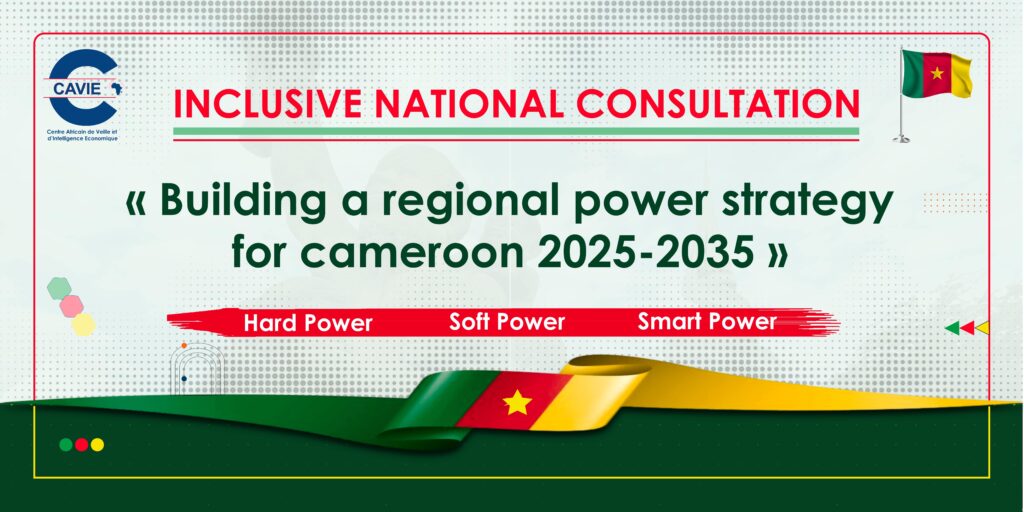
The African Centre for Competitive Intelligence (ACCI) is launching a national consultation on January 16, aiming to formulate a strategy for Cameroon to become a regional power between 2025 and 2035. In this op-ed, Guy Gweth, the President of ACCI, sheds light on the dynamics of this project. Cameroon: Crafting a strategy for regional power Called “Puissance237,” the national consultation initiated by the African Centre for Competitive Intelligence (ACCI) under the theme “Building a Regional Power Strategy for Cameroon 2025-2035” kicks off on January 16, 2024, engaging local press professionals. The proceedings will last for a year, taking place both in the Cameroonian capital and abroad. Aiming for continental leadership Amid a multidimensional competition on the African continent, centered on innovation, influence, and diplomacy, Puissance237 aims to identify key resources within Cameroon. It plans to engage stakeholders in assessing their observations, analyses, and recommendations while energizing the state within a coordinated power strategy. During Puissance237, ACCI experts will initially present the ongoing power strategies in Africa. Subsequently, representatives from public and private sectors, including civil society and the diaspora, will scrutinize the strengths and weaknesses of their respective domains compared to the continent’s best practices and forthcoming challenges. Finally, they will put forward ideas for improvement based on the principles of hard power, soft power and smart power. Formalizing an immediately actionable strategy In response to the escalating international competition, Cameroon possesses numerous strengths across various sectors. To propel them toward continental leadership, it is crucial to identify, acknowledge, and activate these strengths under strategic state direction. ACCI aspires to provide the necessary framework and neutrality to lay the foundation and key components of such a strategy for the 2025-2035 decade. Structurally, Puissance237 has a triple objective. Firstly, to unite stakeholders around the concept of power. Secondly, to gather their diverse contributions in this context. Thirdly, to deduce and formalize an actionable power strategy immediately, both at the sectorial and national levels, accessible to all stakeholders. Submit the report to the authorities and share key findings with the public At the end of this consultation, Cameroon will possess an unprecedented White Paper, presenting a clear and precise strategy for becoming an African power between 2025 and 2035. This work will be published in bilingual format (English/French). Through this initiative, ACCI aims to deliver the final report to the Republic’s authorities for decision-making and the substance to the public for awareness. In total, the Puissance237 national consultation will take place from January 16 to December 5, 2024. The consolidated report will be submitted to relevant authorities on December 10, along with a ‘Who’s Who’ of national human capital icons. A public presentation will occur during a press conference on December 12, 2024, followed by the Gala of Cameroonian Stars, attended by the national elite from the homeland and the diaspora. Read more HERE
Guy Gweth for a fair, balanced and competitive Francophonie
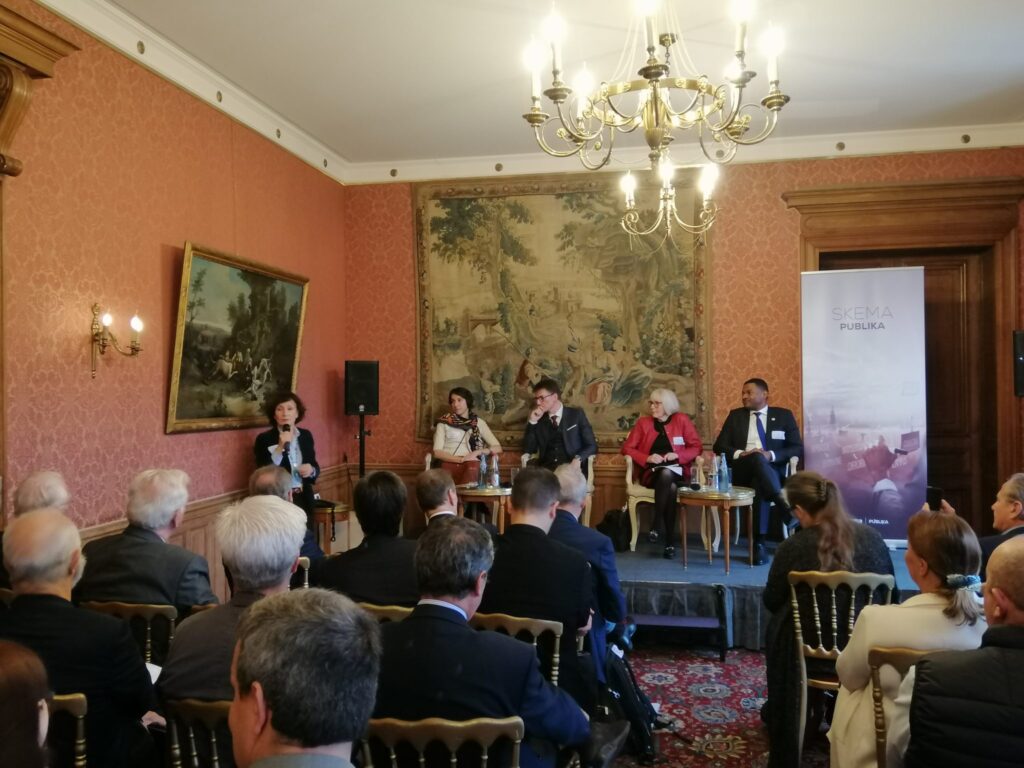
Founder of Knowdys Consulting Group and President of the African Centre for Competitive Intelligence (ACCI), Guy Gweth spoke on 20 October 2023 at the Cercle de l’Union Interalliée in Paris on the subject of the Economic Francophonie, on the invitation of Claude Revel, Director of Skema Publika. Guy Gweth, head of the programme Doing Business at Centrale Supélec and member of the House of Public Affairs at the University of Paris Dauphine-PSL, came up with a pragmatic and concise approach to boost the economic Francophonie. On this occasion, he pointed out three major aspects: Firstly, Africa is the future of the Francophonie. This is a mathematical fact: in 2050, it will account for 85% of the 700 million Francophones on the planet. This is a fact that we are forced to acknowledge. Secondly, from an African standpoint, it is essential for the economic Francophonie to achieve economic integration in terms of economic policies and systems, customs preferences and mobility. Otherwise, disinterest and the risk of losing members (to more integrated blocs) will increase. Thirdly, Guy Gweth believes that in order to outline the major aspects of such a partnership and minimise interference with its development, the stakeholders (politicians, entrepreneurs and civil society players) will have to define and protect their lowest common denominator, on the initiative of a strategic State. Guy Gweth is also the founder and coordinator of the Festival de l’intelligence économique francophone (FIEF), the second edition of which will be held on 02 November 2023. It will be held as a prelude to the Ministerial Conference of the Francophonie, scheduled to take place from 3 to 5 November in the Cameroonian capital. Like the previous edition, this event will result in the publication of a white paper entitled ” Doper la compétitivité des territoires francophones “, with a preface by Mr Alamine Mey, Cameroon’s Minister of the Economy, Planning and Regional Development. The Editor
Artificial intelligence at the heart of the 7th edition of the African Competitive Intelligence Days
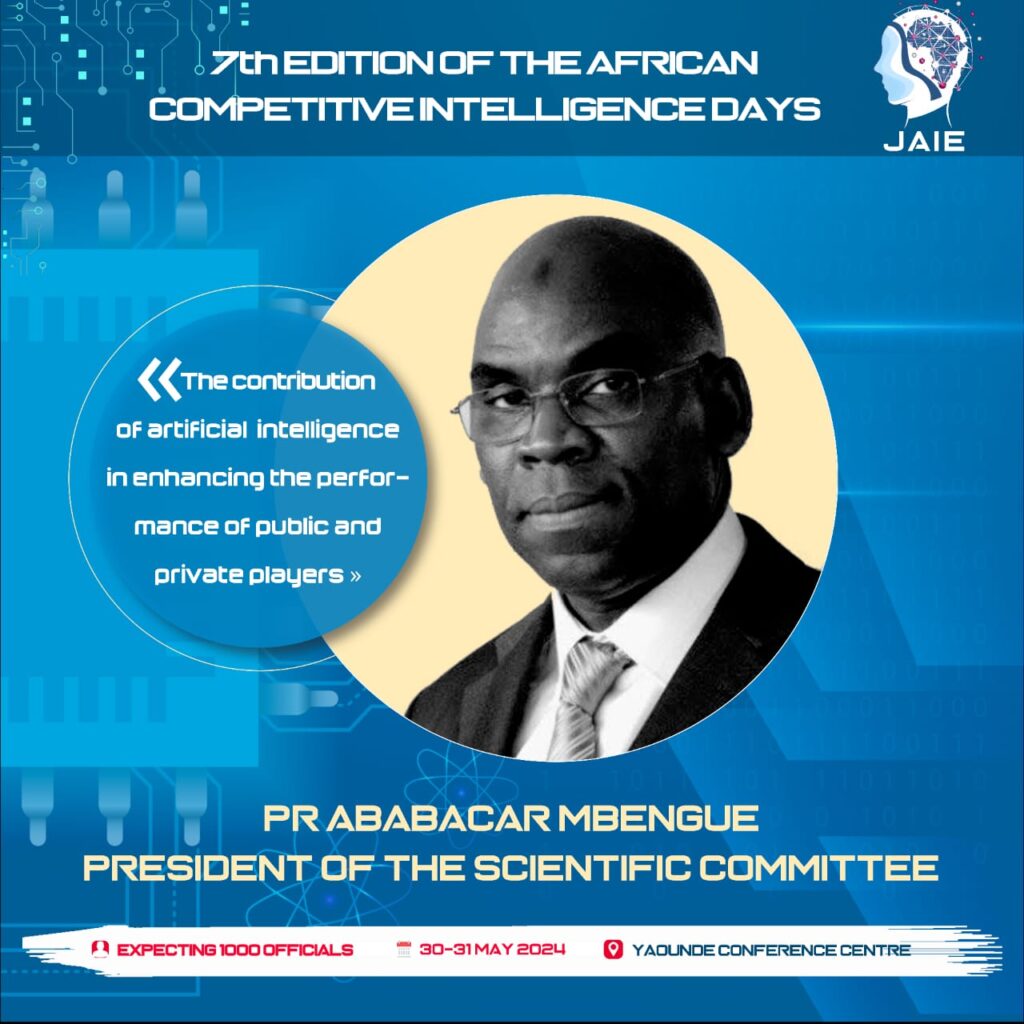
The theme of the 7th edition of the African Competitive Intelligence Days #JAIE2024 will be “The contribution of artificial intelligence in enhancing the performance of African public and private players”. 1,000 officials from the four corners of Africa and beyond are expected to attend this event at the Yaounde conference centre from 30 to 31 May 2024. Going forward, the JAIE will be celebrated on the 30th May each year. Prof. Professeur Ababacar MBENGUE, CEO of the Knowdys Consulting Group, will be leading the scientific committee of the conference which will be held in English and French. A bilingual white paper (EN/FR) will be published and distributed to all attendees at the end of the event. Why is it vital to be a part of the #JAIE2024? Because it marks the beginning of a new world, in which artificial intelligence will revolutionise the way we think, act and win. Public authorities, private partners, software publishers, auditors, etc. – all stakeholders will find the information they need for their successful participation on https://les-jaie.info The Team